 PlateProbe
Carbs: quality before cutting
Whole grains, pulses, fruit and vegetables deserve a different conversation from a blanket “no carbs” rule.
What WHO’s guidance says
WHO’s 2023 carbohydrate guideline focuses on quality as well as intake. It recommends that carbohydrates come primarily from whole grains, vegetables, fruits and pulses. For adults, it recommends at least 25 g a day of naturally occurring dietary fibre from foods. That is a daily dietary recommendation, not a target for one snack or one packaged product.
Bring it back to breakfast
When choosing a cereal or another grain-based pack, look at the ingredients and declared fibre alongside the carbohydrate figure. A large carbohydrate number does not, by itself, explain the food’s place in your diet. Nor does a low number automatically make another product the better choice.
A practical question for your next shop
Ask: what is supplying the carbohydrate here? Then compare similar products on the same measurement basis. This can make label reading more useful than sorting every pack into a simple “carbs good” or “carbs bad” box.
Where this guidance stops
This is established global guidance from 2023, revisited for everyday shopping—not a new announcement or a personalised sports-fuelling plan. A runner preparing for a long event and someone managing a medical condition may need different advice. WHO’s guideline does not grade any individual brand featured on PlateProbe.
Keep reading
100 g or one serving?
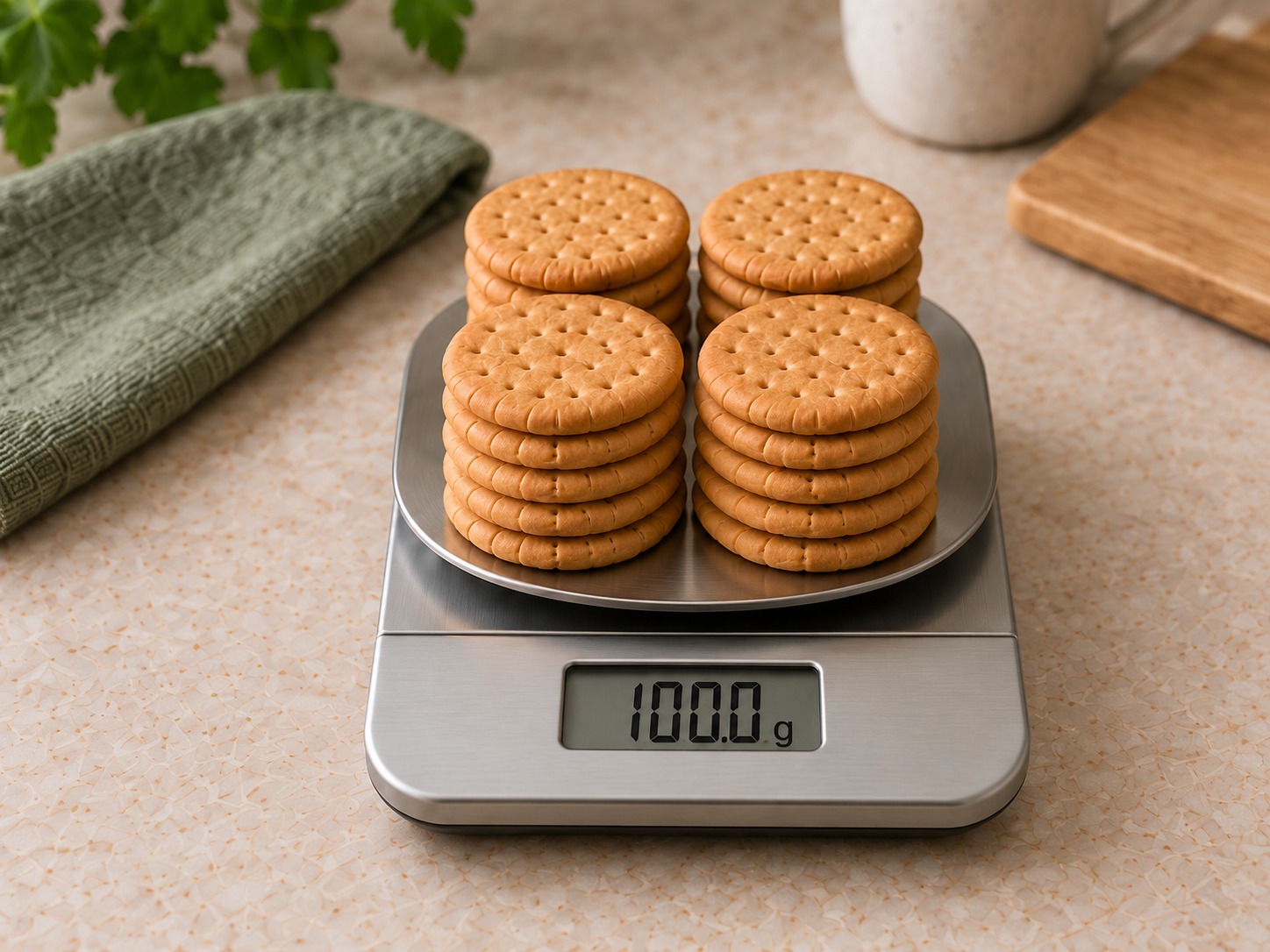
An Indian nutrition panel shows two sets of numbers. One is per 100 g or 100 ml. The other is per serve, with a percentage against a daily allowance. They are both required, they answer different questions, and the second one is only as honest as the serve size the manufacturer picked.

The ingredient list is in order
Regulation 5(2)(b) of the Labelling and Display Regulations, 2020 requires ingredients "in descending order of their composition by weight or volume" at the time of manufacture.