 PlateProbe
Journal
A closer look at food, fitness and the label in your hand.
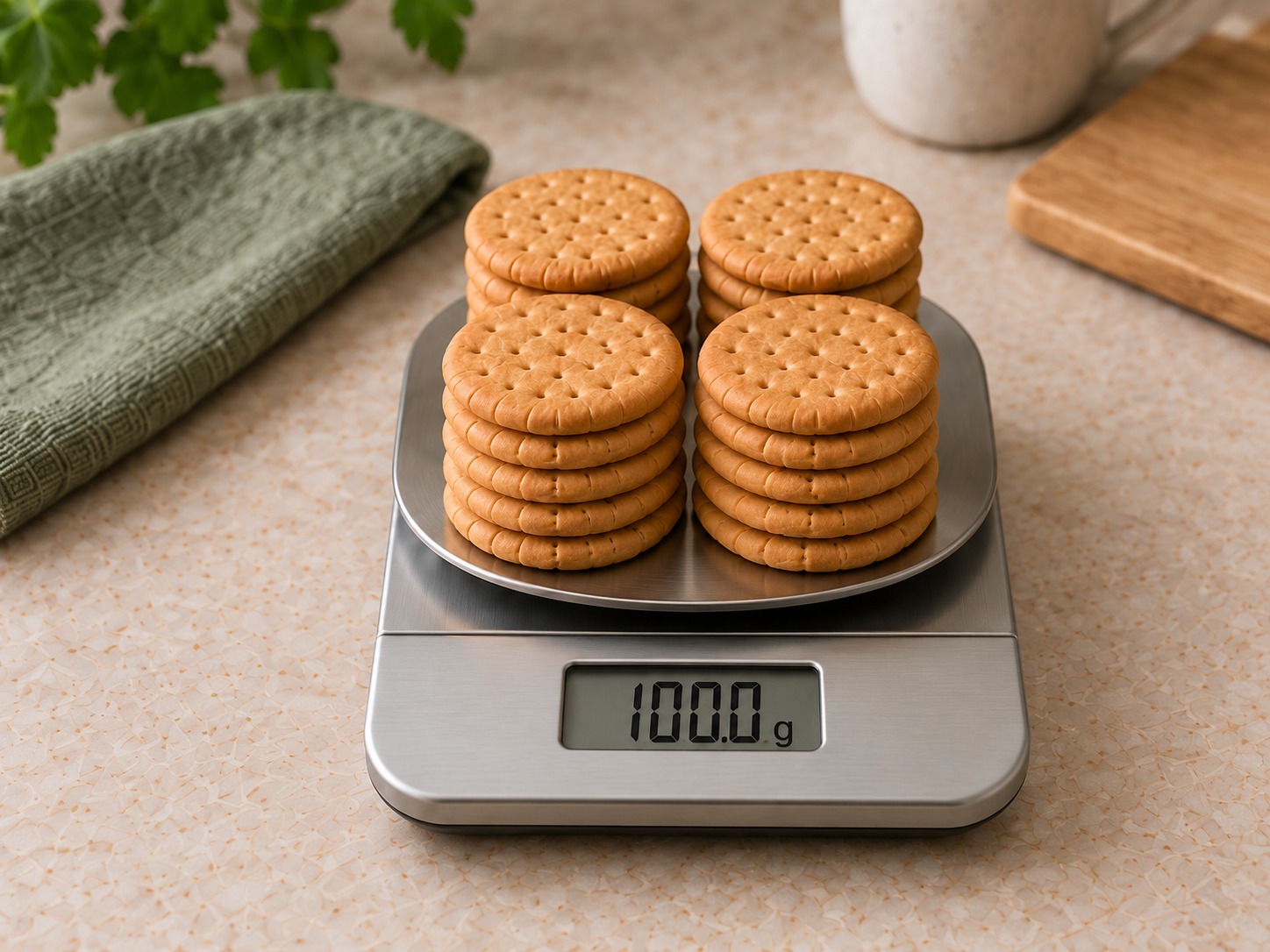
100 g or one serving?
An Indian nutrition panel shows two sets of numbers. One is per 100 g or 100 ml. The other is per serve, with a percentage against a daily allowance. They are both required, they answer different questions, and the second one is only as honest as the serve size the manufacturer picked.
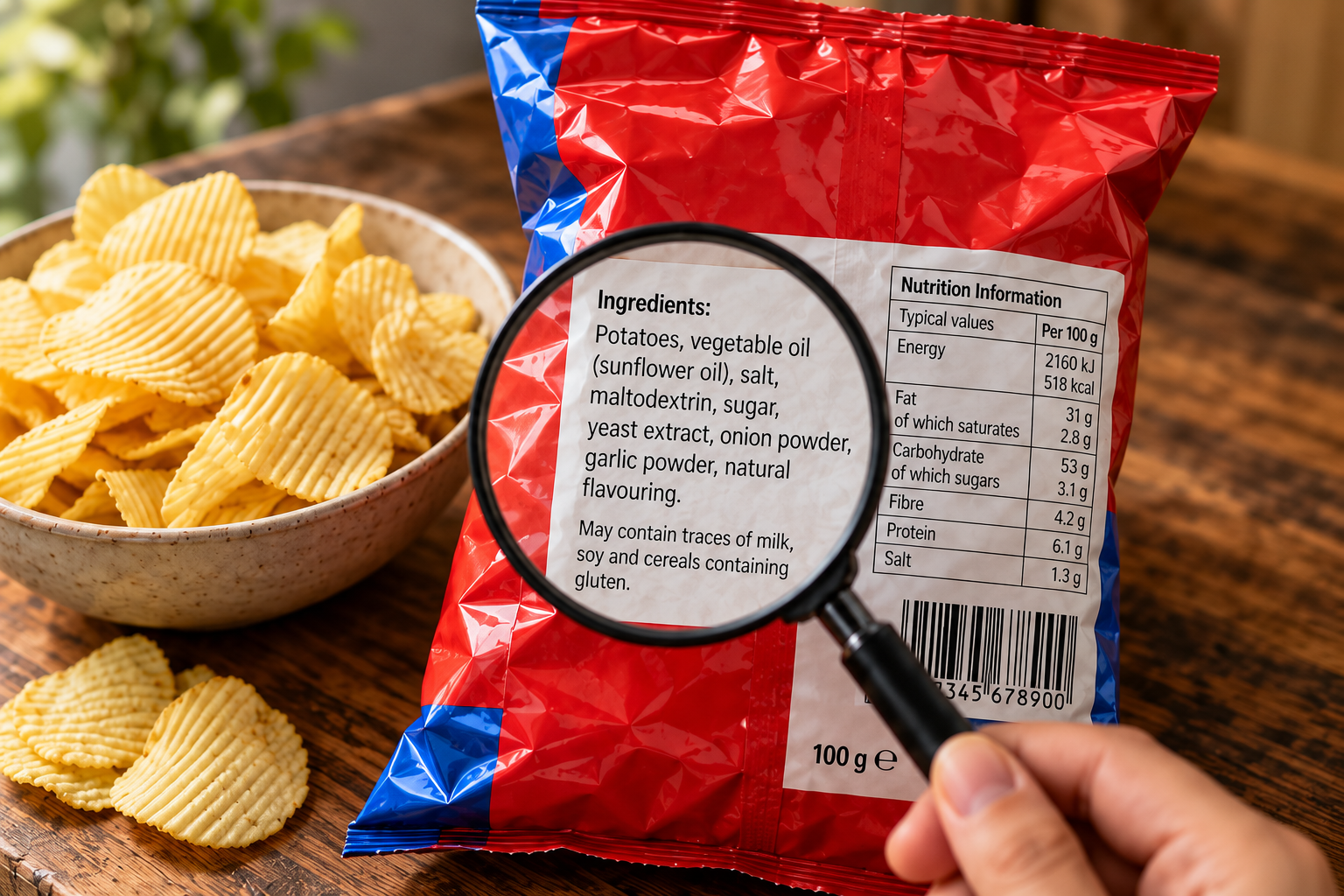
The ingredient list is in order
Regulation 5(2)(b) of the Labelling and Display Regulations, 2020 requires ingredients "in descending order of their composition by weight or volume" at the time of manufacture.
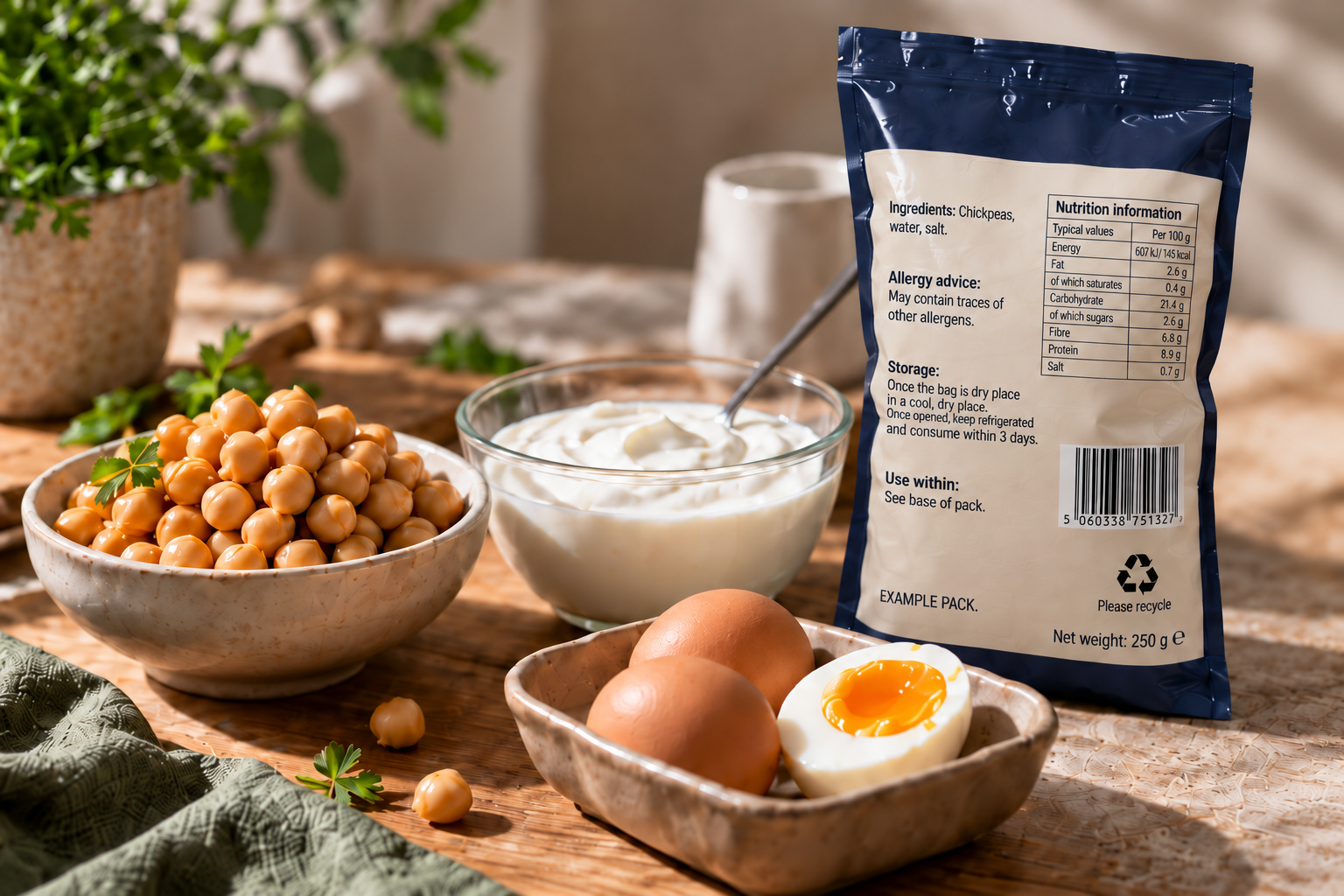
What high protein has to mean
"High protein" is a regulated claim in India. It is not a share of calories and it is not a fixed number of grams. Schedule I of the Food Safety and Standards (Advertising and Claims) Regulations, 2018 sets it as a percentage of the Recommended Dietary Allowance, and lets the maker meet it on any one of four bases.
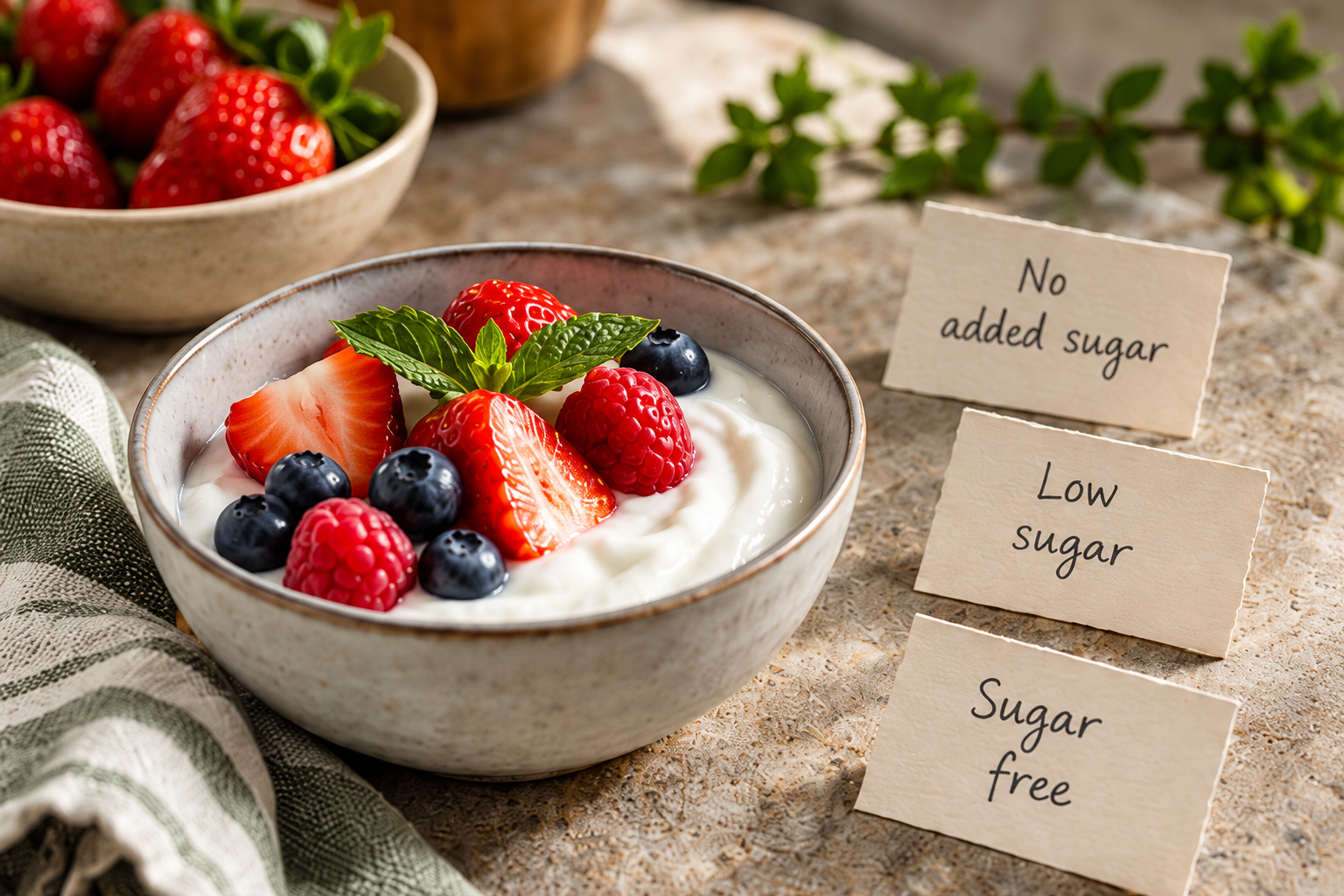
No added sugar and sugar free
Three sugar claims sit on Indian packs: "no added sugar", "low sugar" and "sugar free". Each has its own test under the Food Safety and Standards (Advertising and Claims) Regulations, 2018. One is about the recipe. The other two are about the number on the nutrition panel.
The warning-label case
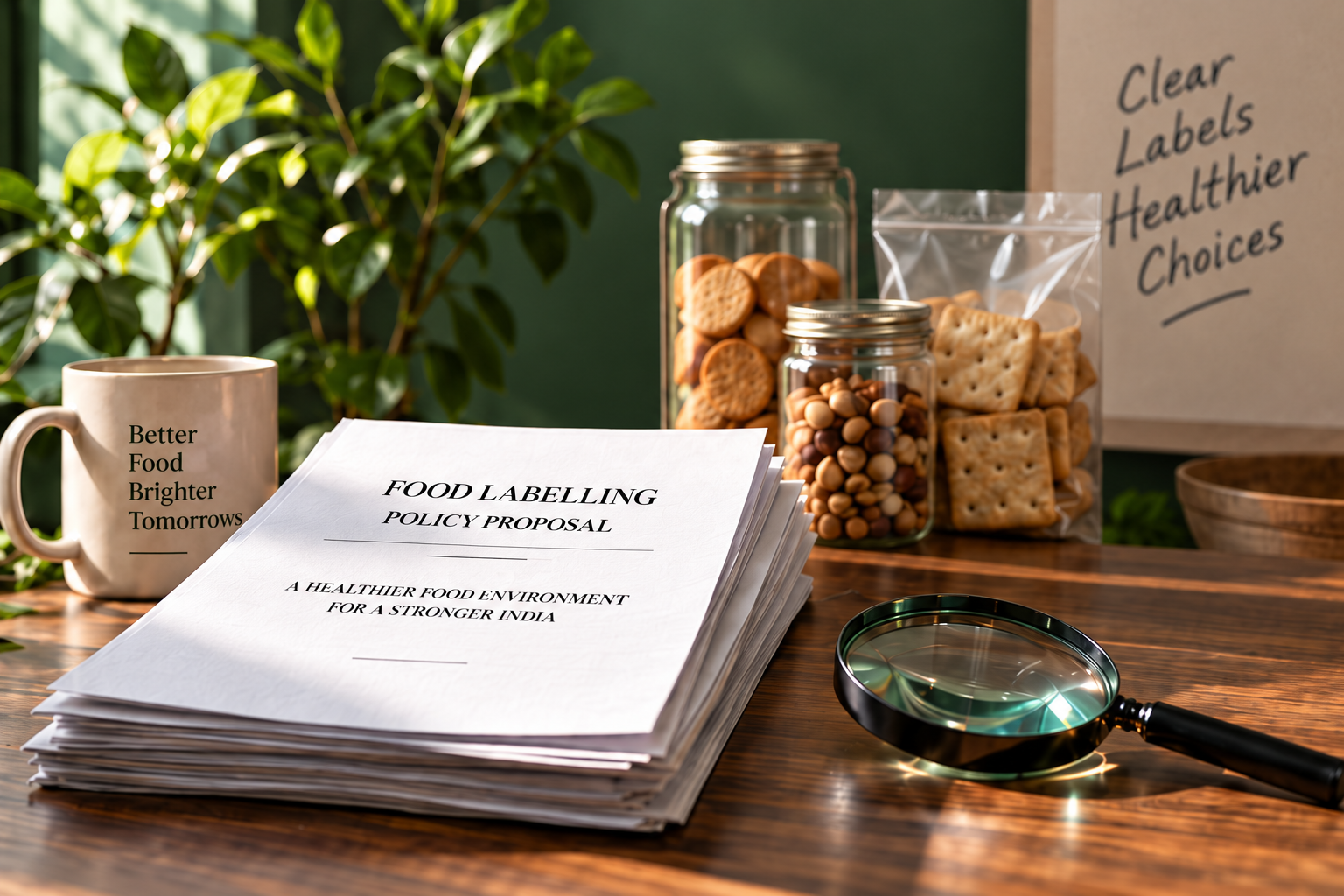
India does not yet have a front-of-pack warning label. What it has is a court case, two years old, in which the Supreme Court has been pushing the food regulator towards one. On 10 September 2026 the Court put 13 questions to FSSAI and the Union and asked for answers in ten days. Here is how the case got there, taken from the orders themselves.
When the label leaves a gap
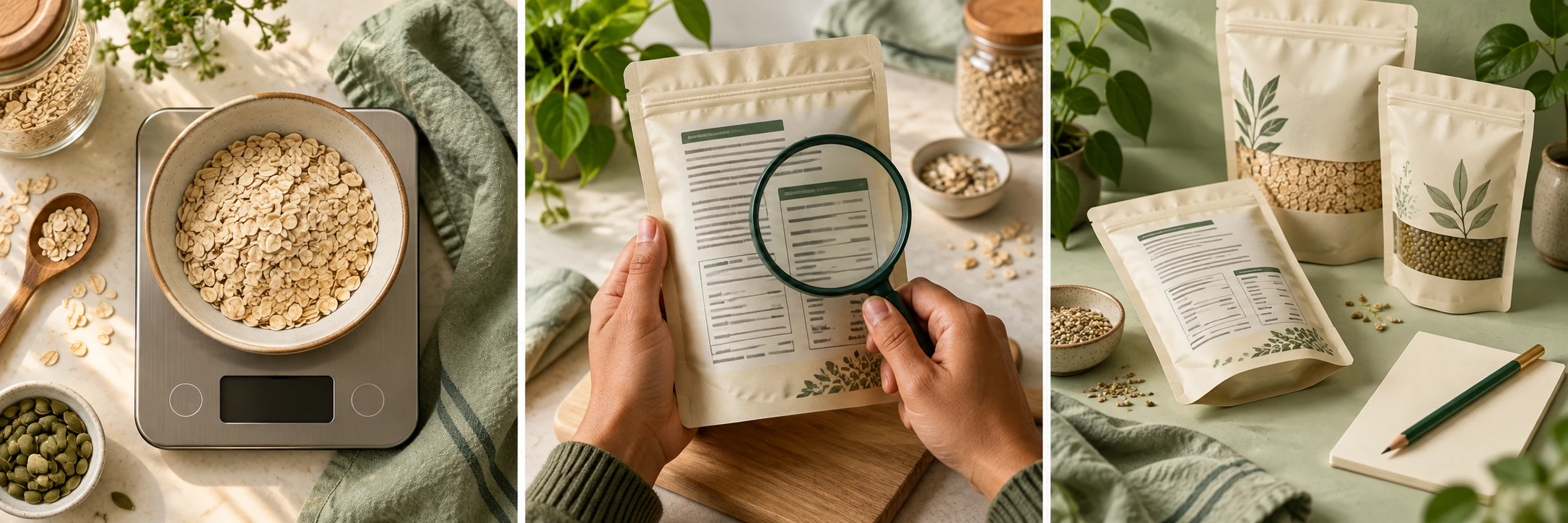
A clear explanation includes the things we cannot establish yet.
Carbs: quality before cutting
Whole grains, pulses, fruit and vegetables deserve a different conversation from a blanket “no carbs” rule.
Articles are written by the PlateProbe editorial team, with AI assistance, and reviewed before publication.